Receiving an autism spectrum disorder (ASD) diagnosis for your child can feel overwhelming. Many parents are left wondering what steps to take next — and what types of care might best support their child’s development, comfort, and quality of life.
An important note up front: chiropractic care does not treat, cure, or reverse autism. What it may do is support the nervous system — which plays a central role in how the body processes sensory information, regulates stress, and adapts to its environment. For many families, that kind of support becomes one piece of a broader care plan alongside therapies already working for their child.
This article walks through what that looks like in practice, what the research currently shows, and what to expect if you’re considering chiropractic as a complementary option.
Understanding Autism Spectrum Disorder
Autism spectrum disorder is a neurodevelopmental condition that affects how the brain processes information. It can influence communication, sensory processing, social interaction, and behavior. Symptoms typically appear in early childhood — often within the first year of life — though some children experience a period of regression between 18 and 24 months.
Every child on the spectrum is different. Some may have mild challenges; others require more comprehensive support. This wide range of experiences is why individualized care and early intervention play such an important role.
What Causes Autism?
There is no single known cause of autism spectrum disorder. Current research suggests autism develops from a combination of genetic and environmental influences that affect early brain development.
Genetics appear to play a significant role, particularly in families with a history of autism or related developmental conditions. In some cases, autism may be associated with genetic disorders or spontaneous genetic variations. Researchers are also exploring whether factors like complications during pregnancy, premature birth, environmental stressors, infections, or early neurological stress may contribute to risk.
What’s important to understand: autism is not caused by a single event, and it is never the result of something a parent did or didn’t do.
Common Challenges Associated With ASD
Children on the autism spectrum may experience a variety of challenges that impact daily life, learning, and relationships. These can include:
- Difficulty with communication and social interaction
- Sensory sensitivities — being overwhelmed by sound, light, touch, or crowds
- Repetitive movements or behaviors
- Sleep regulation difficulties
- Emotional regulation challenges
- Digestive issues
- Immune system challenges
Over time, these difficulties can create stress for the entire family as they work to find the right balance of support.
Traditional Support Options for Autism
While there is no cure for autism, early and appropriate support can make a meaningful difference in a child’s development and quality of life. Many children benefit from a combination of:
- Behavioral and communication therapies (ABA, speech, etc.)
- Educational support and Individualized Education Programs (IEPs)
- Occupational therapy
- Family-centered strategies and coaching
- Medical management when appropriate
Alongside these core approaches, some families explore complementary forms of care that focus on nervous system regulation and whole-body wellness.
Where Chiropractic Care Fits In
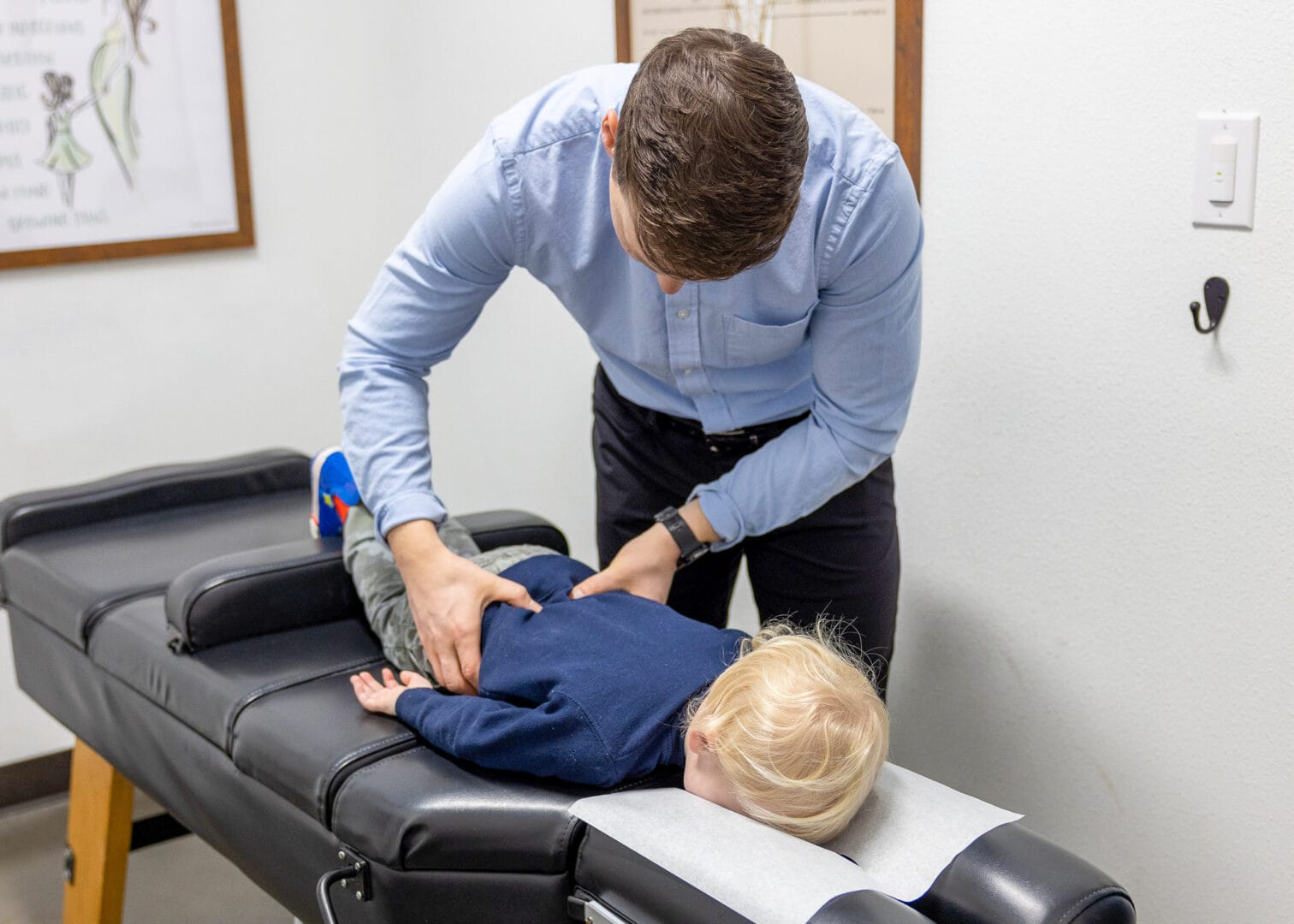
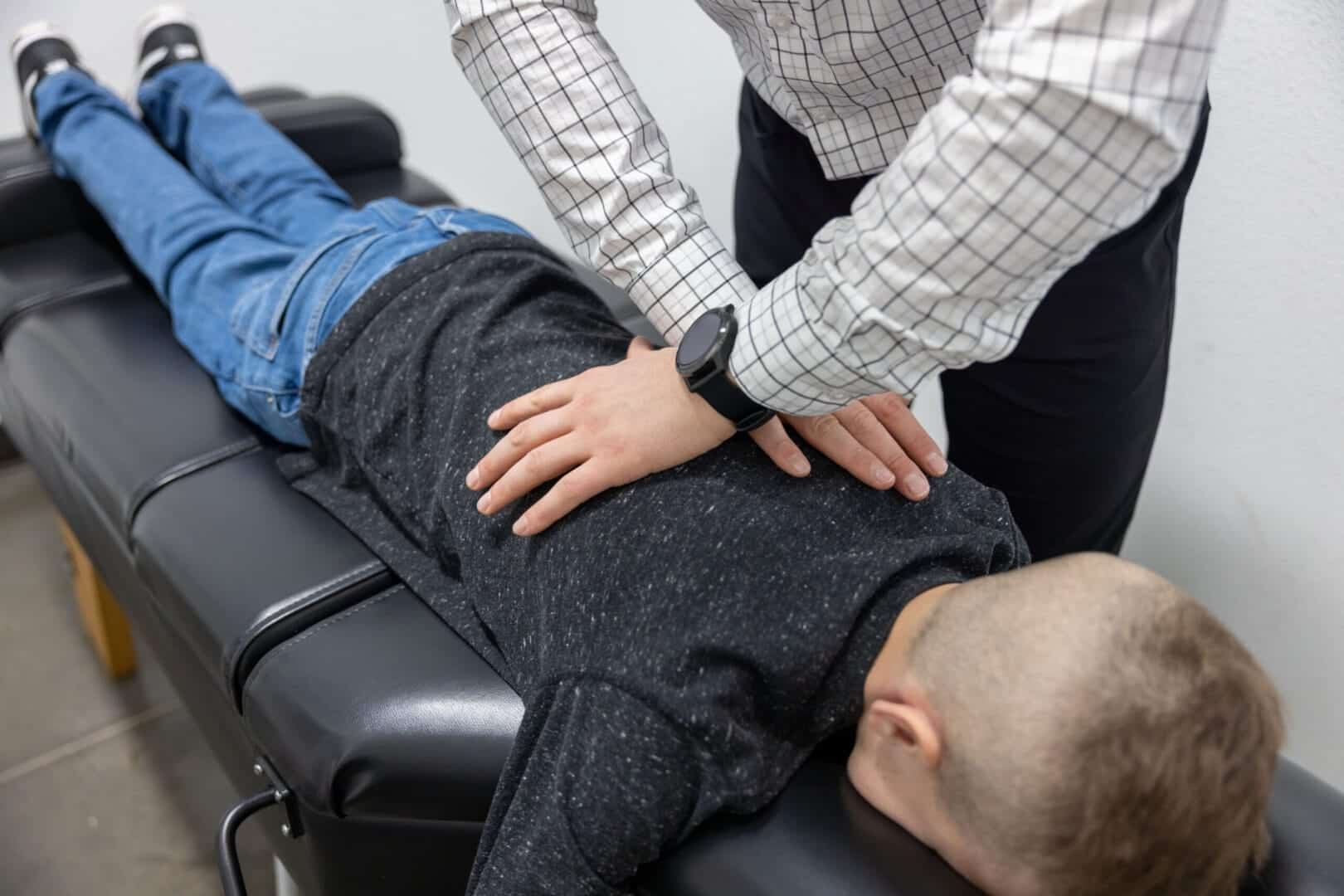
Again, to be clear: chiropractic care is not a treatment for autism. It cannot resolve the underlying neurological differences that define ASD. What neurologically-based chiropractic care focuses on is the relationship between the spine, the nervous system, and how the body functions as a whole.
Because the nervous system plays a role in sensory processing, movement, communication, and stress regulation, supporting its function may help the body respond and adapt more effectively. Many families report improvements in areas like:
- Sleep quality
- Digestive comfort
- Emotional regulation
- Sensory tolerance
- Attention and engagement
The goal of care is to reduce interference within the nervous system, allowing it to communicate more clearly with the rest of the body — which may make other therapies and interventions more effective.
What Does the Research Say?
Several published case studies have explored how chiropractic care may support children diagnosed with autism spectrum disorder or related developmental challenges. While large-scale randomized trials are still needed, these case reports describe positive changes in sleep patterns, communication, motor skills, behavior, and overall regulation following consistent chiropractic care.
These findings align with what chiropractors often observe clinically: when the nervous system functions more efficiently, the body tends to show measurable improvements in how it adapts and responds. That said, case reports are not the same as definitive evidence — which is why we always recommend chiropractic be considered as a complement to, not a replacement for, your child’s established care plan.
How Long Does It Take to See Changes?
Every child’s nervous system is unique, and results vary widely. Some families notice changes relatively quickly; others experience gradual improvements over time with consistent care.
A personalized care plan based on a thorough pediatric chiropractic evaluation is essential. Chiropractic is often most effective when it’s consistent, and when it’s coordinated alongside the other therapies and supports already in place.
A Supportive Next Step for Your Family
If your child has been diagnosed with autism spectrum disorder — or if you have concerns about their development — pediatric chiropractic care may be worth exploring as part of your broader plan.
Our team at Restoration Chiropractic takes a gentle, neurologically-focused, family-centered approach to care. We work alongside your child’s other providers, not in place of them. If you’d like to learn more or schedule an evaluation, book a consultation and we’ll talk through whether chiropractic might be a fit for your family.
You don’t have to navigate this journey alone.