Bedwetting — medically called nocturnal enuresis — is far more common than most parents realize. Millions of kids continue to have nighttime accidents well past the toddler years, and for the families living through it, bedwetting can be exhausting: disrupted sleep, laundry at 2 a.m., anxiety for the child, stress for the parents, and shame that usually isn’t the child’s fault at all.
An important note up front: chiropractic care is not a treatment for bedwetting, and bedwetting should always be evaluated by your pediatrician first to rule out medical causes. What chiropractic care may do is support nervous system function — which plays a role in bladder control, sleep patterns, and how the body regulates during rest. For some families, that kind of support becomes one piece of a broader approach.
Why Bedwetting Happens
Bedwetting isn’t a behavioral problem and it’s not something a child does on purpose. It usually reflects a developmental timing issue — the nerves, muscles, and hormones involved in nighttime bladder control simply haven’t fully matured yet. Common factors include:
- Genetic predisposition (bedwetting often runs in families)
- Deep sleep patterns that make it harder to wake to bladder signals
- Lower nighttime levels of antidiuretic hormone (ADH)
- A smaller or overactive bladder
- Constipation, which puts pressure on the bladder
- Stress or life changes (new sibling, moving, school transitions)
Most children eventually outgrow bedwetting on their own. But when it persists past age 5 or 6, or when it returns after a period of dry nights, it’s worth looking into more carefully.
When to See Your Pediatrician First
Before exploring complementary approaches, rule out underlying medical causes. Talk to your pediatrician if your child:
- Is over age 5 and has never been dry at night
- Was dry for months and started wetting the bed again
- Has painful or frequent urination (possible UTI)
- Is unusually thirsty or losing weight (rare but important — can signal diabetes)
- Snores heavily or has disrupted breathing during sleep (possible sleep apnea)
- Has chronic constipation
- Has bedwetting alongside daytime accidents
Your pediatrician can screen for these and rule out medical causes. Once that’s done, you can explore additional supportive approaches with a clearer picture.
How Chiropractic Care May Help
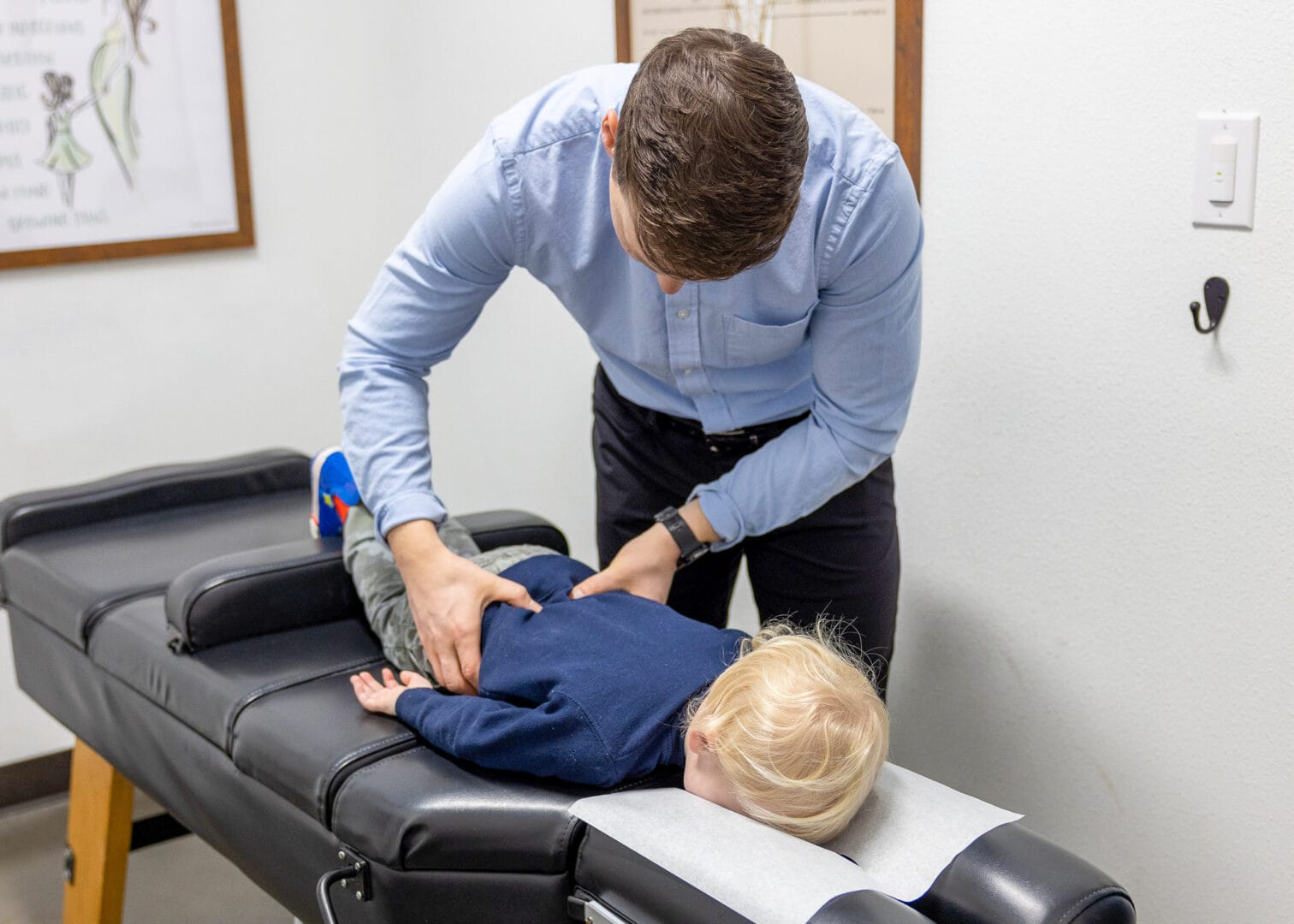
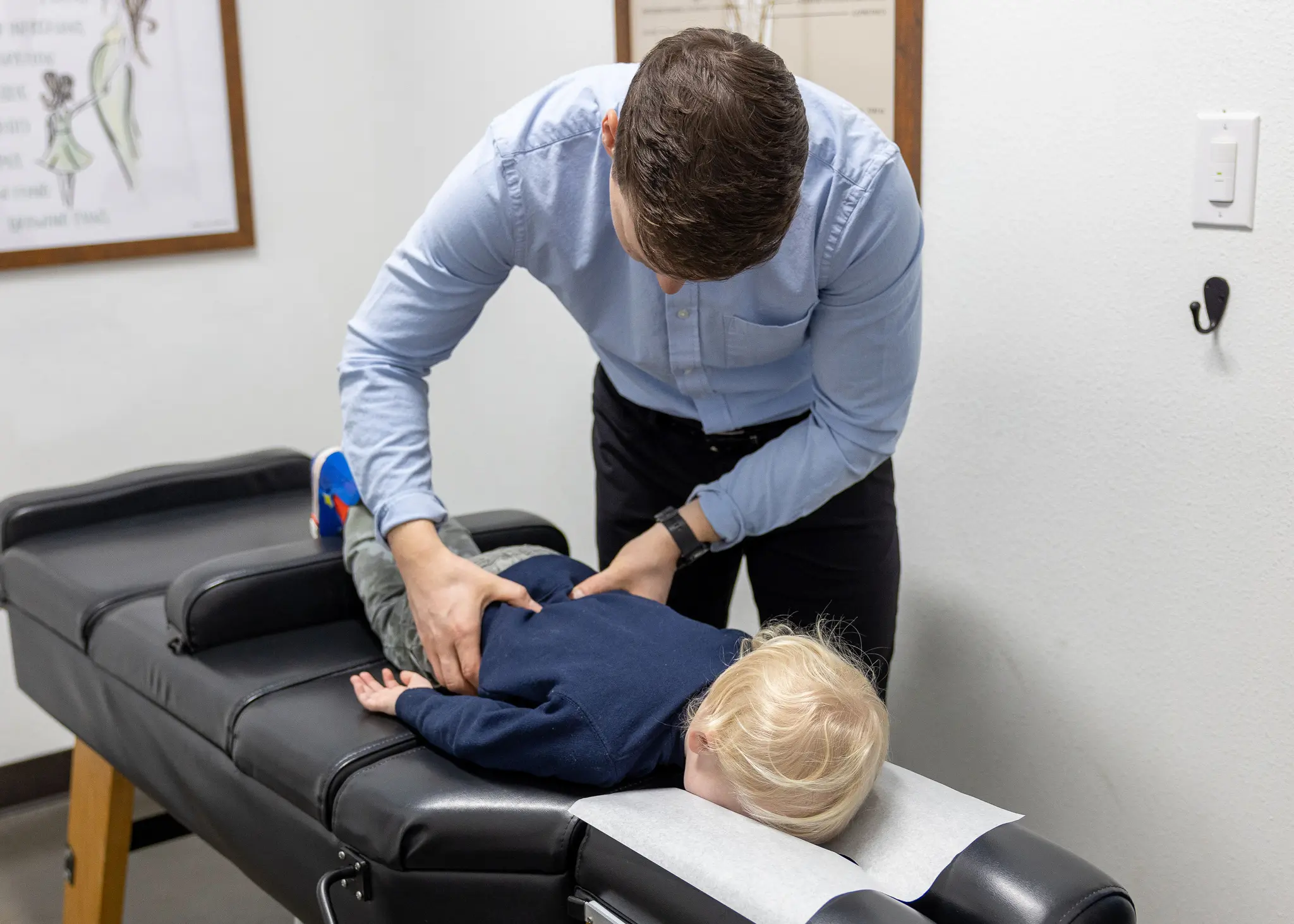
To be clear: chiropractic doesn’t “fix” bedwetting directly. What neurologically-based chiropractic care focuses on is nervous system function.
The nerves that control bladder function originate in the lower spine — specifically the sacrum and lumbar regions. When there’s tension or misalignment in these areas (which can stem from birth, falls, or the everyday physical stress of childhood), it may affect how well the brain and bladder communicate during sleep.
Gentle chiropractic adjustments aim to reduce that interference. Some families report improvements in:
- Frequency of nighttime accidents
- Sleep quality and depth
- Daytime bladder awareness
- Overall stress and regulation
Chiropractic adjustments for children are extremely gentle — nothing like adult adjustments — and are specifically tailored to a child’s stage of development.
What Does the Research Say?
Research on chiropractic care specifically for bedwetting is limited, and most of the evidence comes from case reports rather than large randomized trials. Those reports describe positive outcomes for some children, particularly those with a history of birth trauma or lower spine stress. Results vary, and chiropractic care should be considered alongside — not instead of — standard pediatric evaluation and care.
Other Things That Often Help
A few practical strategies families have success with, either alone or alongside other approaches:
- Treat constipation first. This is the single biggest physical contributor to bedwetting, and often the most overlooked.
- Shift fluid intake earlier in the day. Most fluids before dinner, less in the evening.
- Consistent bedtime routine. Predictable, calm sleep onset helps regulate deep sleep patterns.
- Bedwetting alarms. For older kids, these can be highly effective and are well-studied.
- Remove the shame. Bedwetting isn’t a discipline issue. Support and patience matter more than most interventions.
A Gentle, Family-Friendly Approach
At Restoration Chiropractic in Prosper, we specialize in pediatric chiropractic care and our doctors are ICPA-certified. We take the time to understand each child’s story, work gently and respectfully, and partner with your family’s existing care team rather than trying to replace anyone.
If you’ve ruled out medical causes and are looking for a natural, complementary approach to support your child through this phase, schedule a consultation and we’ll talk through whether chiropractic might be a fit.
And please remember: your child isn’t broken. Bedwetting is common, it’s not their fault, and most children do outgrow it. You’re doing the right thing by looking for supportive answers.