"I went in because I had hip pain for probably the last couple of years in my life. After one treatment that hip pain was gone. It was totally awesome to experience. From there, I was a believer and signed up for a treatment plan. Day by day I’m showing improvements."
Joint Pain Relief in Prosper, TX
Shoulder, Hip, or Knee Pain Rarely Starts Where You Feel It.
Whether you’re dealing with rotator cuff issues, hip pain, runner’s knee, or post-injury joint problems — gentle, neurologically-based chiropractic care that addresses the kinetic chain, not just the painful joint.
525+ 5-Star Reviews
Who We Help
Three Joints. Three Patterns. One Underlying Connection.
Shoulder, hip, and knee pain present differently — but they’re almost always linked to alignment and movement patterns happening elsewhere in the body.
Shoulder Pain
Rotator Cuff, Frozen Shoulder, Impingement
Reaching overhead hurts. Sleeping on that side wakes you up. Daily tasks — lifting groceries, putting on a jacket — have become things you plan around. Shoulder pain is often a downstream effect of thoracic spine, scapular, or even pelvic alignment issues. Treating only the shoulder rarely fixes it.
Hip Pain
Bursitis, Tightness, Post-Injury, Labral
Pain in the front of the hip, deep in the joint, or radiating into the glute and thigh. Stairs feel harder than they used to. Sitting for long periods locks things up. Hip pain is one of the most diagnosed-but-undertreated joint conditions — and it frequently improves dramatically when alignment and nervous system function are addressed.
Knee Pain
Runner’s Knee, IT Band, Arthritis, Post-Injury
Pain on the outside of the knee, around the kneecap, or deep in the joint. Worse going downstairs, after long runs, or after sitting still. Most knee pain isn’t actually a knee problem — it’s a hip-and-foot mechanics problem showing up at the knee. The fix usually starts above and below.
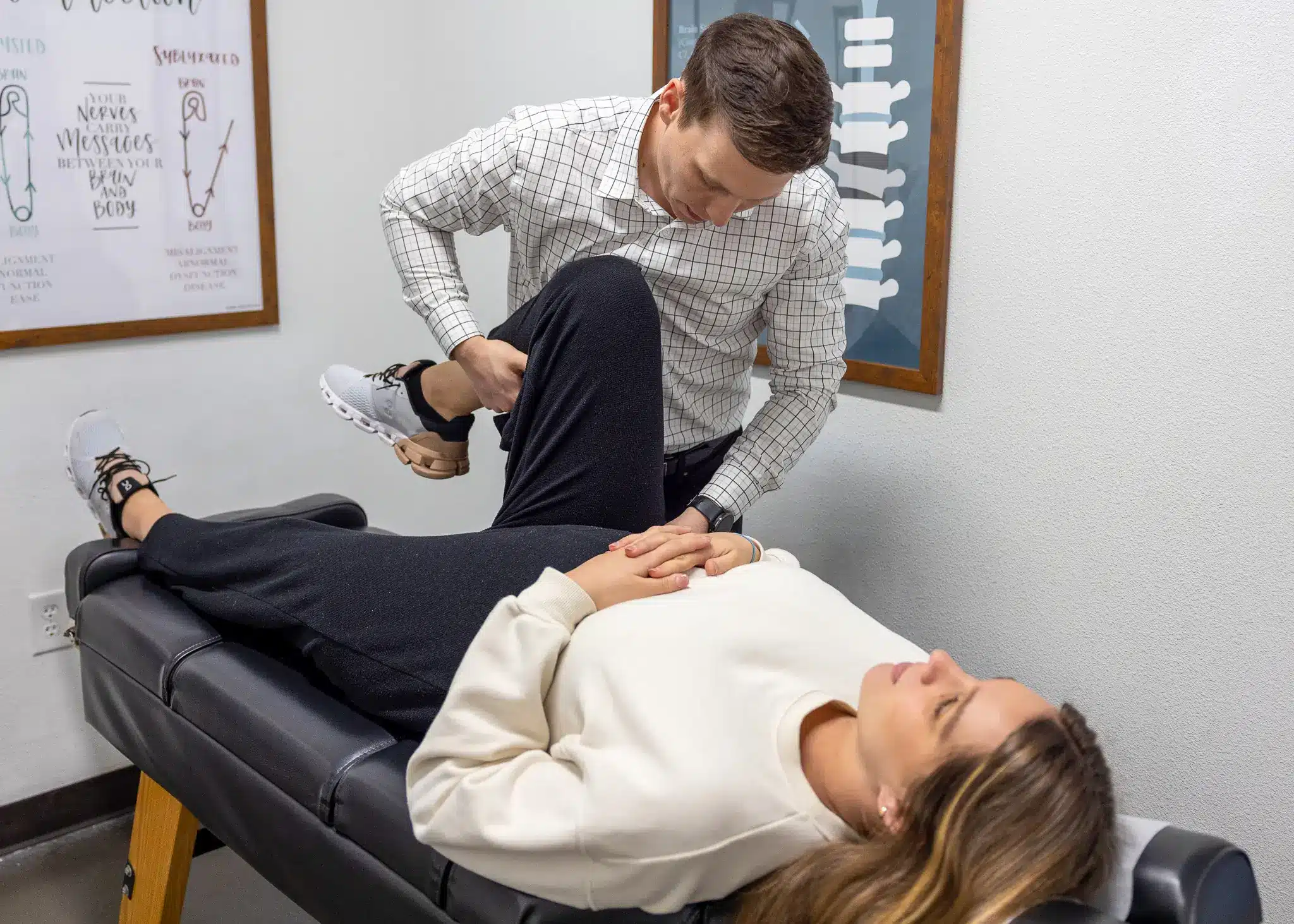
Neurologically-Based Chiropractic
The Joint That Hurts Often Isn’t the Joint That’s Causing It
Joints don’t operate in isolation. The body is a kinetic chain — when one part is misaligned, the joints upstream and downstream compensate. Eventually those compensating joints break down. The pain shows up there, but the cause is somewhere else.
That’s why we don’t treat joint pain by treating only the joint. We use the Torque Release Technique to address spinal alignment and identify the compensation patterns driving the dysfunction. Combined with NASA-certified nervous system scanning and on-site digital X-rays, we build a care plan around the root cause.
About Our TechniqueReal Patients, Real Relief
Joints That Hadn’t Responded — Until They Did
These are real people from Prosper and the surrounding area who came in with shoulder, hip, or knee pain — many after years of partial fixes, multiple specialists, or being told surgery was next.
"I learned about the importance of chiropractic care a dozen years ago when I was told I likely needed rotator cuff surgery. Luckily a friend recommended I see his chiropractor who quickly saw my ‘hips were closed.’ After a short period of treatment, my hips opened and my shoulder was back to 100% with no surgery needed."
"I have been visiting chiropractors and pain management specialists for most of my life and was left with little to no hope for any real recovery. Only after visiting Restoration Chiropractic was I met with extensive knowledge of what exactly was going on with my joints, and was given an actual plan to not only manage my pain, but also to work to reverse the damage done over the years and get rid of the pain."
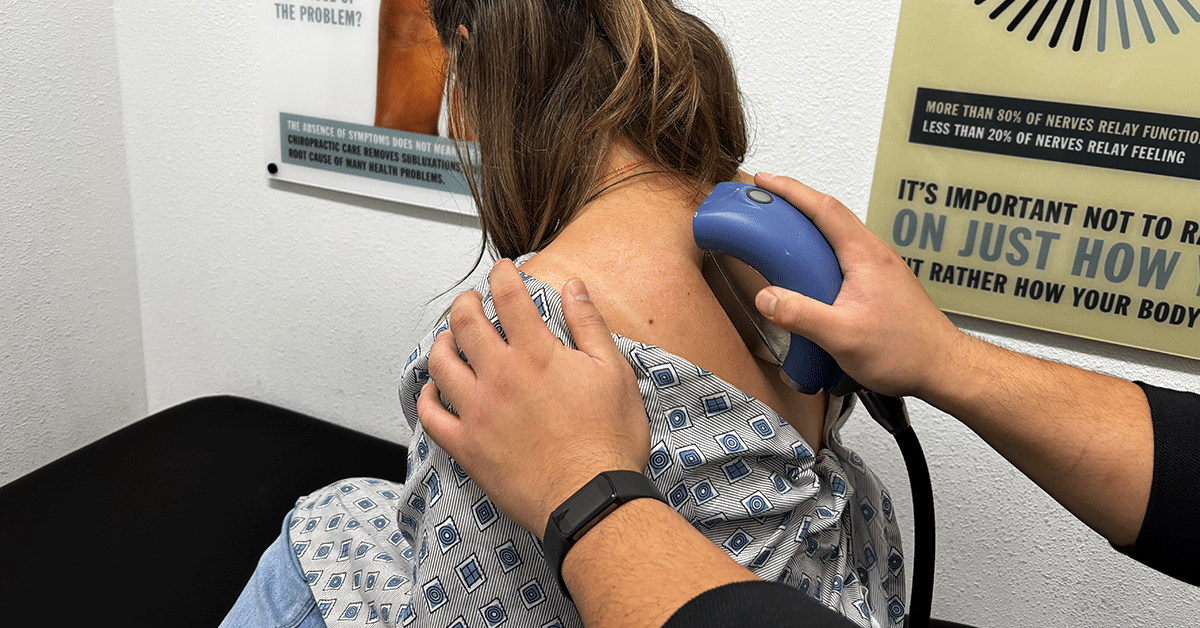
Shockwave Therapy
Where Shockwave Therapy Earns Its Reputation
Joint pain is where shockwave therapy is at its most effective. Rotator cuff tendonitis, IT band issues, hip bursitis, scar tissue from old injuries — these soft-tissue components keep joints aggravated even when alignment is being addressed. Adjustments alone don’t reach that layer.
Delivered using the PiezoWave device, shockwave therapy uses precisely-targeted acoustic waves to break up adhesions, reduce inflammation, and stimulate healing. It’s non-invasive, drug-free, FDA-registered, and pairs powerfully with chiropractic care.
Learn About Shockwave TherapyYour First Visit
We Don’t Guess. We Scan, X-Ray, and Show You Exactly What’s Going On.
Every new joint pain patient starts with a full NASA-certified nervous system scan, on-site digital X-rays, and a doctor’s report walking you through where the dysfunction is and what your care plan looks like — before any treatment begins.
Book My First VisitNo insurance or referral needed.
What to Expect
Your First Visit at Restoration Chiropractic
A clear, welcoming process designed to get you answers, a plan, and your first treatment — all in one visit.

01
Consultation
We start with your story — which joint, how long, what triggers it, what activities it stops you from doing, and what you’ve already tried.
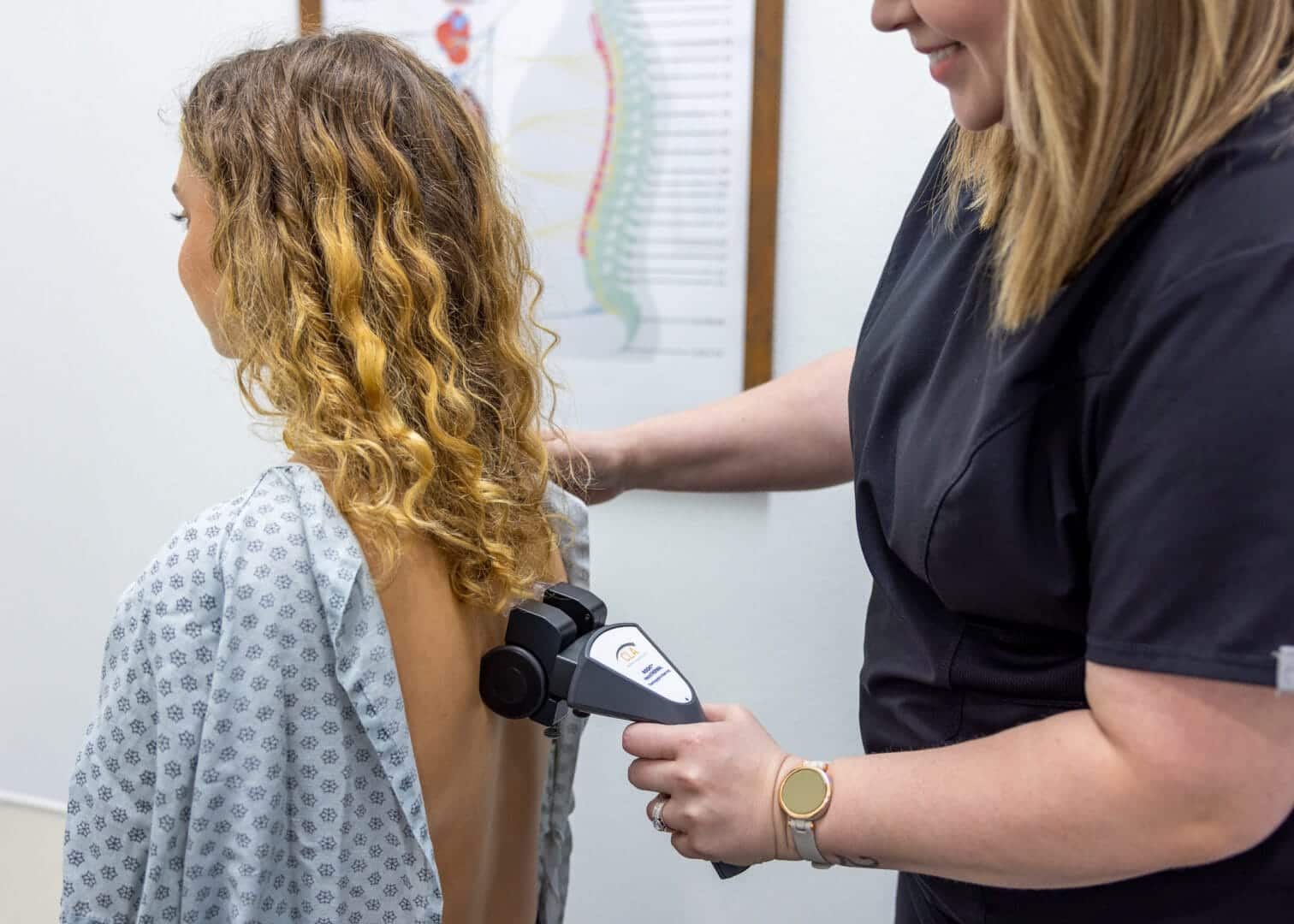
02
Evaluation
NASA-certified nervous system scan and on-site digital X-rays to identify exactly where alignment and movement patterns are driving the joint dysfunction.
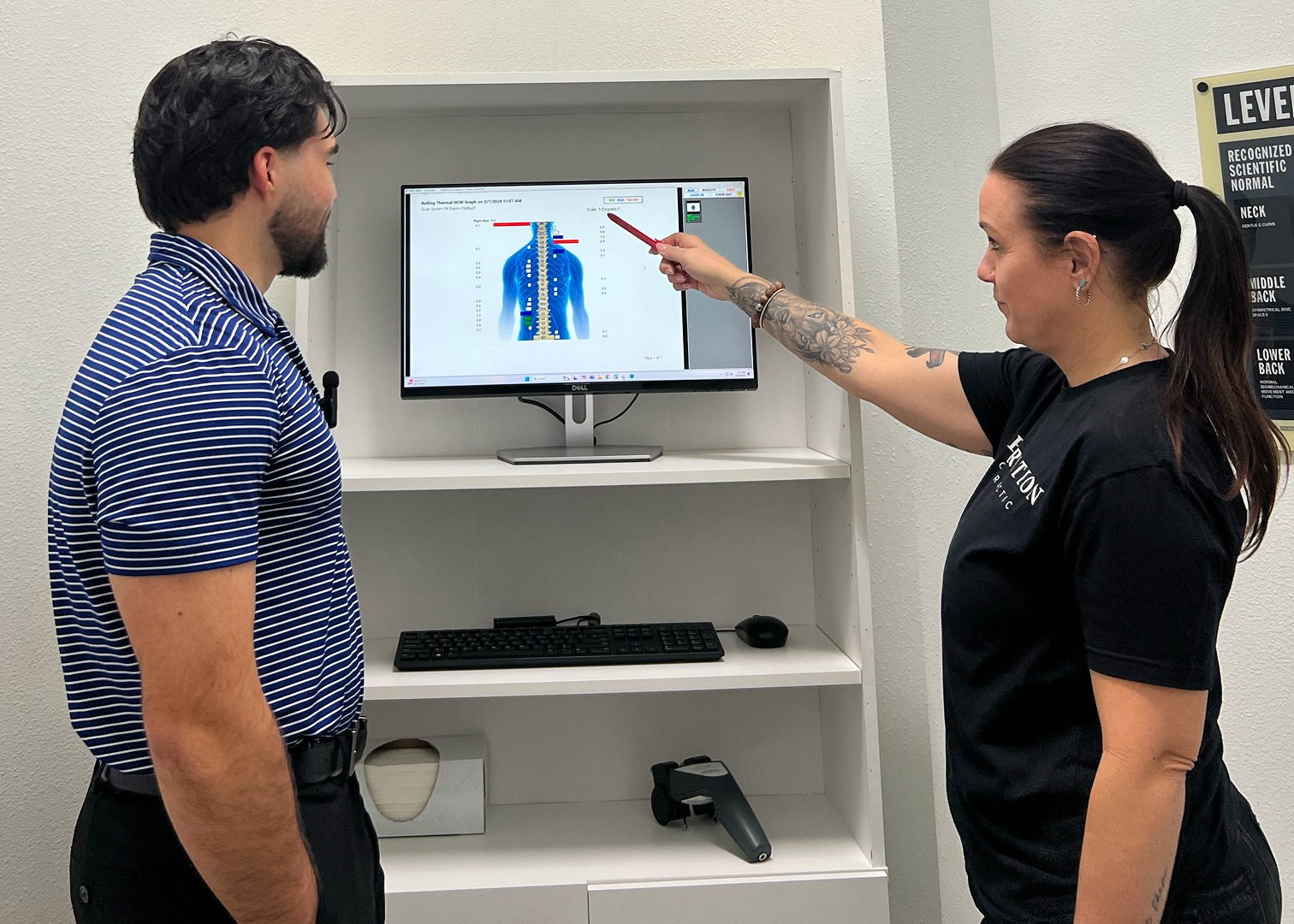
03
Doctor’s Report
A clear explanation of what we found, what’s causing the joint pain, and a personalized care plan with a realistic timeline.
04
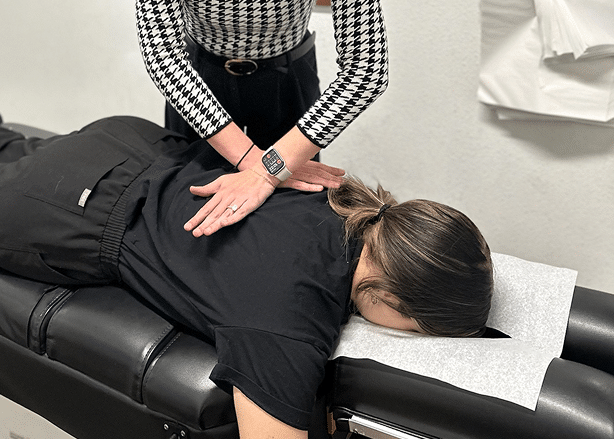
First Treatment
Your first adjustment happens the same visit — many joint pain patients leave noticing more mobility right away.
Related Conditions
Joint Pain Often Comes With Other Symptoms
Joints don’t exist in isolation — the same kinetic-chain and alignment patterns that produce joint pain often surface as other symptoms too.
Sciatica
Hip pain and sciatica are often confused or co-occurring — both can stem from the same lumbar and pelvic dysfunction.
Pinched Nerve
Shoulder and arm pain frequently involve cervical nerve compression rather than the joint itself — a pattern often missed.
Personal & Auto Injuries
Joint pain that started or worsened after a car accident, fall, or sports injury — often involves compensation patterns we can address directly.
Back Pain
Lumbar dysfunction and back pain frequently produce hip and knee compensation patterns — and vice versa.
Neck Pain
Shoulder pain and neck pain are often the same problem expressed in different places — cervical and thoracic dysfunction tends to produce both.
Headaches & Migraines
Upper-body joint patterns — tight shoulders, locked-up upper traps — often share an upper-cervical source with chronic headaches.
Common Questions
Answers About Joint Pain Treatment
Can chiropractic care help with shoulder, hip, and knee pain?
Yes — and there’s a clear reason why. Joints don’t operate in isolation. Pain in the shoulder, hip, or knee is often the symptom of a compensation pattern starting somewhere else in the spine, pelvis, or kinetic chain. Treating only the painful joint frequently misses the cause. We use the Torque Release Technique to address spinal alignment and nervous system function, then work on the joint itself — which is why our patients often see results that direct joint treatment alone hadn’t produced.
What kinds of joint conditions do you treat?
We commonly help patients with rotator cuff issues, frozen shoulder, shoulder impingement, hip bursitis, hip impingement and labral pain, IT band syndrome, runner’s knee (patellofemoral pain), arthritic knee and hip pain, and post-injury joint pain that hasn’t fully resolved. We also help with the joint compensation patterns that develop after surgery elsewhere in the body. Every new patient starts with a full evaluation, NASA-certified nervous system scan, and on-site digital X-rays before any treatment plan is built.
Can chiropractic help me avoid joint surgery?
Often, yes — though it depends on the underlying issue. Many patients arrive having been told they need rotator cuff repair, hip replacement, or knee surgery, and find that conservative care addresses the root mechanical issue without requiring an operation. Surgery is occasionally the right call, but in our experience it’s recommended more often than it’s actually needed. We always review imaging and history honestly, and if surgery genuinely is the right next step, we’ll tell you and refer appropriately.
What if my joint pain started after an injury or surgery?
Post-injury and post-surgical joint pain are common reasons people come to see us. After a fall, accident, or surgery anywhere in the body, compensation patterns often develop that overload other joints — sometimes years later. Addressing those compensation patterns directly is often what unlocks recovery. The Torque Release Technique is gentle and instrument-based, which makes it appropriate for post-surgical patients and for joints that don’t tolerate aggressive manipulation.
How quickly will I notice a difference?
Many patients notice meaningful improvement within the first 2–3 weeks of consistent care, especially for acute joint pain. Chronic joint pain that’s been building for years typically takes longer to fully resolve — most patients see significant improvement over 4–8 weeks of consistent care, with continued progress beyond that. Your doctor’s report after your first visit will give you a realistic timeline based on what we find.
Will the adjustment be hard on my painful joints?
No. The Torque Release Technique uses a small, handheld instrument to deliver a precise, low-force adjustment to specific points on the spine. There’s no twisting, no manual cracking, and no heavy force — which makes it especially well-suited to patients with painful, inflamed, or post-surgical joints where aggressive manipulation could worsen symptoms. Most patients leave their first visit feeling lighter and more mobile, not flared up.
Do I need a referral or insurance to come in?
No. You don’t need a referral, and we work with patients regardless of insurance status. Your first visit includes a full evaluation, on-site digital X-rays, NASA-certified nervous system scan, doctor’s report, and first treatment — all transparent, all explained upfront.
Meet the Team
Leadership at Restoration Chiropractic
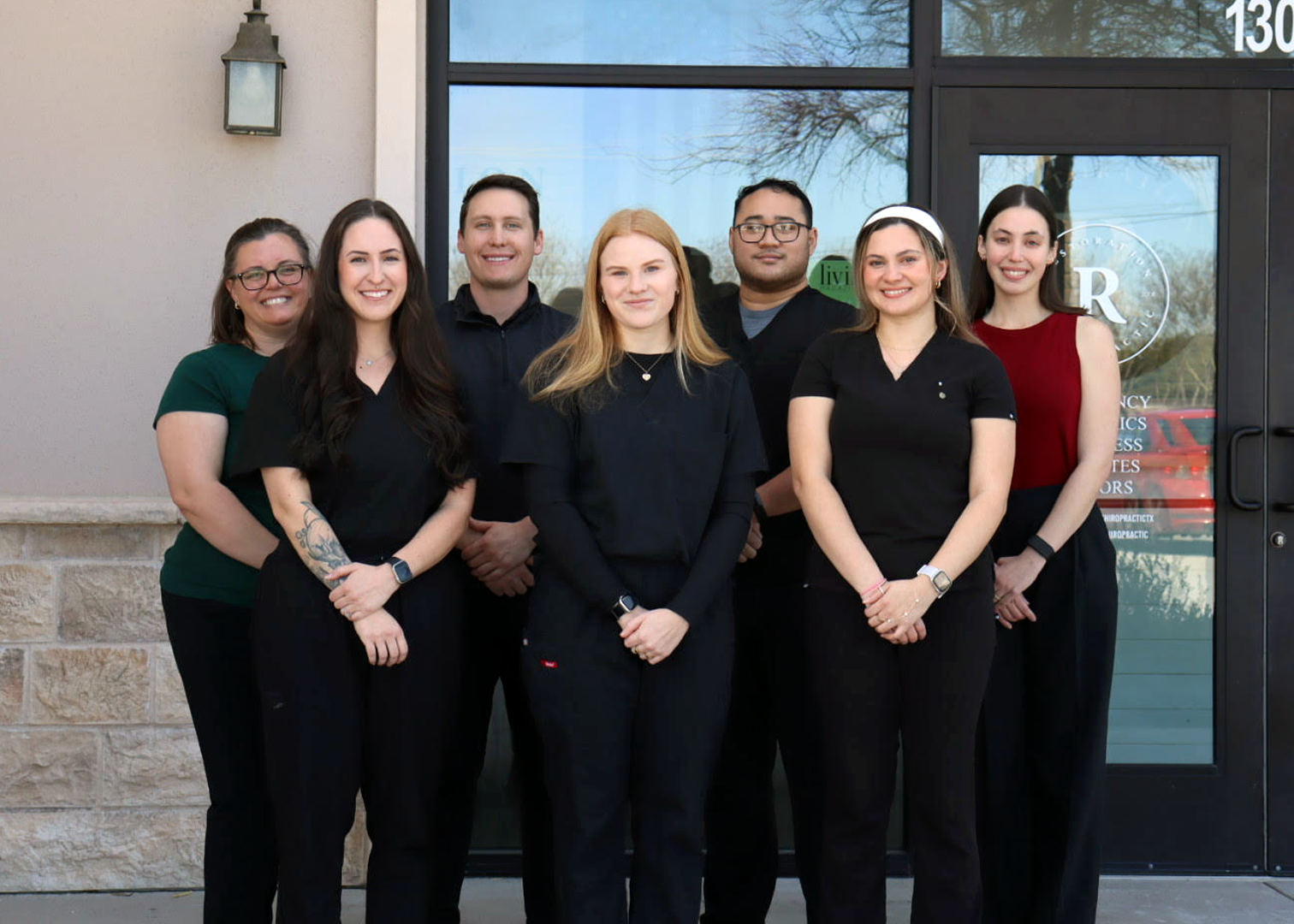
Our doctors bring years of neurologically-based chiropractic experience and a genuine commitment to the families of Prosper.

Dr. Jake
Founder & Chiropractor

Dr. Stephanie
Chiropractor

Molly
Office Manager
Our Location
Conveniently Located in Prosper, TX
1061 N Coleman St #130
Prosper, TX 75078
- Monday
- 10am–1pm · 3pm–6pm
- Tuesday
- 3pm–6pm
- Wednesday
- 10am–1pm · 3pm–6pm
- Thursday
- 9:30am–12:30pm · 3pm–6pm
- Friday
- 9am–1pm
- Sat–Sun
- Closed
Start Your Journey
You Shouldn’t Have to Stop Doing the Things You Love Because of a Joint.
Schedule VisitHave questions before you book?
Our team is one call away at (972) 818-5820.